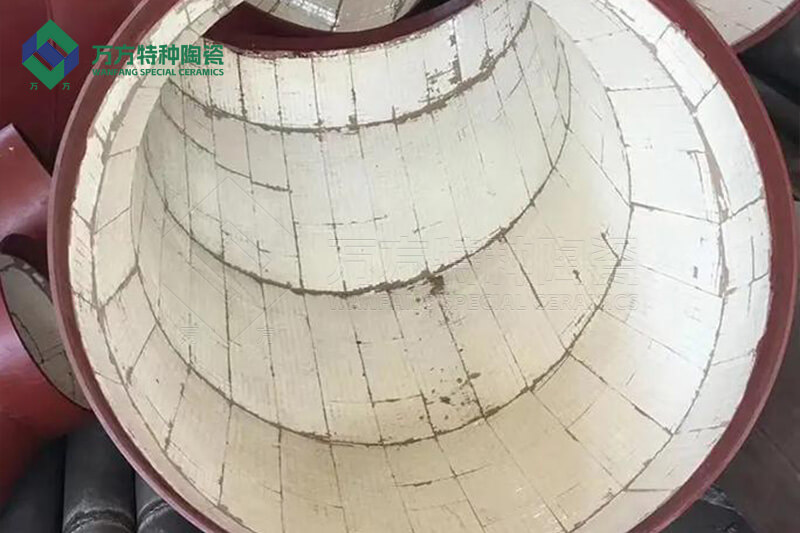
1、 Characteristics of Kefeng wear-resistant ceramic pipeline:
1. Good wear resistance: The inner ceramic layer of the wear-resistant ceramic pipe is wear-resistant ceramic, with a hardness (HRA) of ≥ 88. Its wear resistance is more than 10 times that of high chromium wear-resistant cast iron alloy pipe fittings, and its service life is long.
2. Corrosion resistance: Different wear-resistant ceramic materials are selected to have excellent corrosion resistance to different corrosive media, including acid, alkali, salt and other strong corrosive media, as well as the characteristics of halogen salt corrosion.
3. Good high temperature resistance: Wear resistant ceramics themselves have the ability to withstand high temperatures above 1400 degrees Celsius. Through reasonable design and the use of different composite methods, wear-resistant ceramic fittings can operate for a long time in the humidity range of -50 ℃ to 800 ℃
4. Wear resistant ceramic pipes have high cost-effectiveness and can save costs and time for maintenance and material replacement. Lightweight, easy to transport and install.
2、 The types of wear-resistant ceramic pipes are divided into:
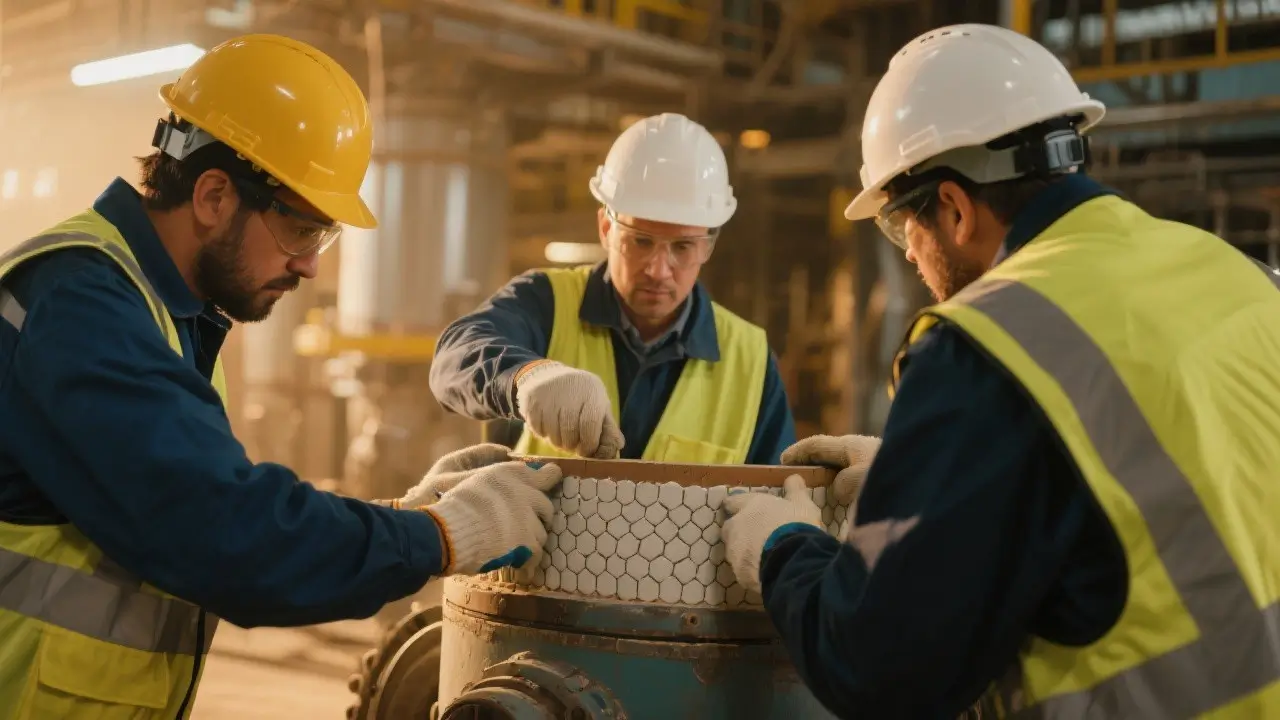
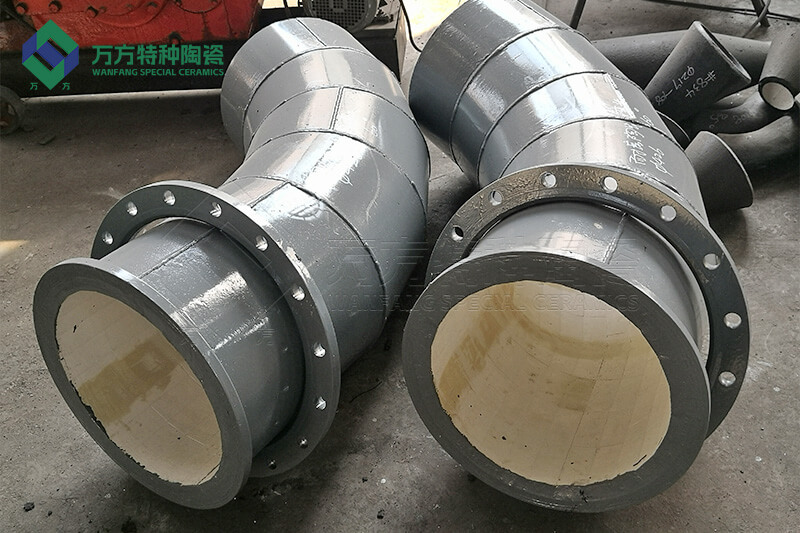
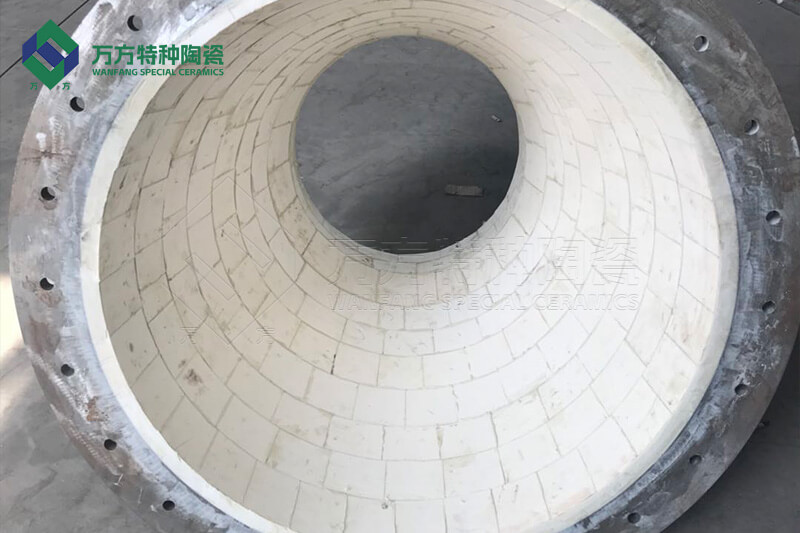
1. Surface mounted wear-resistant ceramic pipes are made by using high-temperature resistant strong adhesive to stick alumina ceramic sheets on the inner wall of the pipe, and after heating and curing, form a strong wear-resistant layer. The production process of this product is relatively simple, the production cycle is short, and the cost is relatively low. Surface mounted wear-resistant ceramic pipes are basically not limited by pipe size
2. Welding wear-resistant ceramic pipes involves using strong adhesive to stick a perforated alumina ceramic lining plate in the middle to the inner wall of the pipe. At the same time, using spot welding technology, the ceramic lining plate is firmly welded to the inner wall of the steel pipe through small holes, and then a ceramic cap is screwed on top.
3、 Application scope of wear-resistant ceramic pipes:
1. The piping of the power plant boiler powder production system includes the powder conveying pipeline, coarse and fine powder separator pipeline, coal dropping pipeline, primary air pipeline, secondary air pipeline, tertiary pipeline of the combustion system, and burner pipeline, as well as the slag discharge pipeline, powder return pipeline, and dry ash conveying pipeline of the ash and slag removal system;
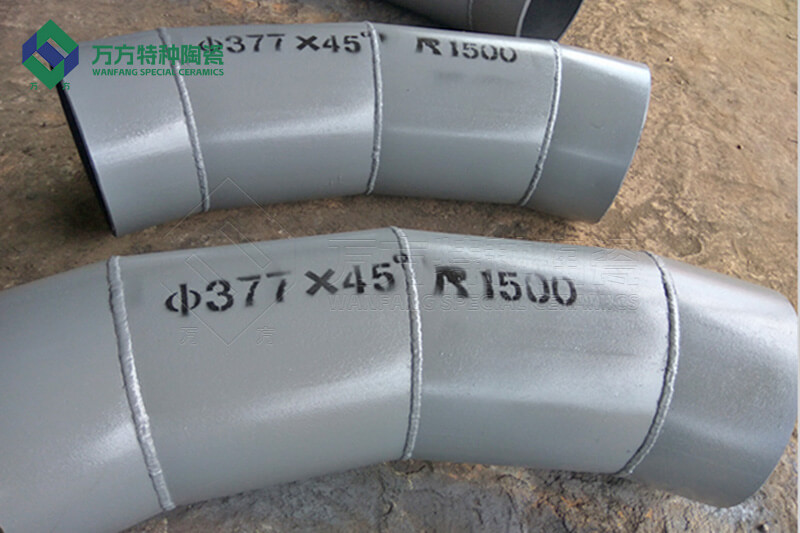
2. Wear and tear curved pipes such as raw material conveying pipelines, receiving pipelines, dust removal pipelines, ash discharge pipelines, ash dropping pipelines, batching and mixing pipelines, grinding outlet pipelines, coal combustion pipelines, coal powder pipelines, separator pipelines, burner square pipes, etc. in steel plants;
3. Wear and tear bends in the outlet pipeline, inlet pipeline, dust collection pipeline, vertical mill outlet pipeline, circulating air duct, coal mill high-temperature fan duct, and discharge pipe of the cement plant selection machine;
4. Various pipe fittings for processing and conveying materials in industries such as petroleum, chemical, mining, coal, coal washing plants, smelting, papermaking, aluminum, building materials, powder engineering, and grain machinery.